Control fermentation temperature for clean flavour
Control fermentation temperature for clean flavour. A clear working guide to yeast pitch, diacetyl rest, and crash chill.
- Published: 02 August, 2026
- 580 words
- 3 min read
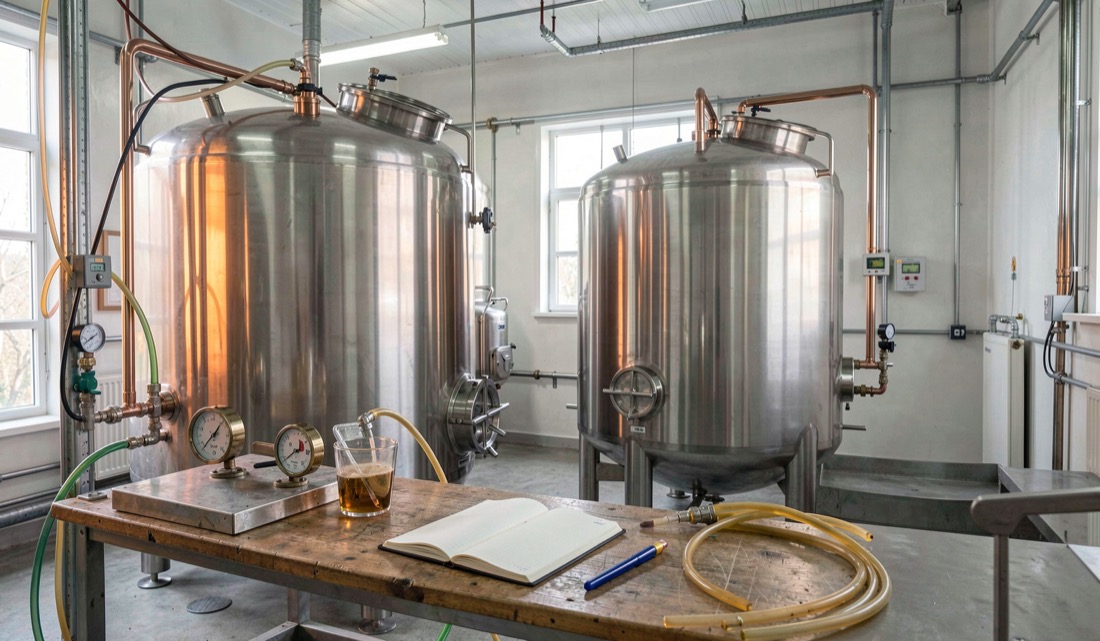
Good results usually come from a repeatable decision process rather than one lucky attempt. Here, yeast pitch defines the outcome; diacetyl rest explains the real working conditions; and crash chill gives you a practical checkpoint. Keeping those three ideas separate makes it easier to diagnose failures and improve without changing everything at once.
Prepare before you start
Review the project, environment, or workflow before committing code or money. Write down constraints, responsible people, deadlines, and the smallest version of success. Check safety requirements, permissions, backups, and fallback options. A short written brief prevents scope drift and gives everyone the same standard when pressure increases.
Step by step method
- Define the desired outcome in one sentence.
- Measure the starting conditions instead of guessing them.
- Build or test the smallest complete version first.
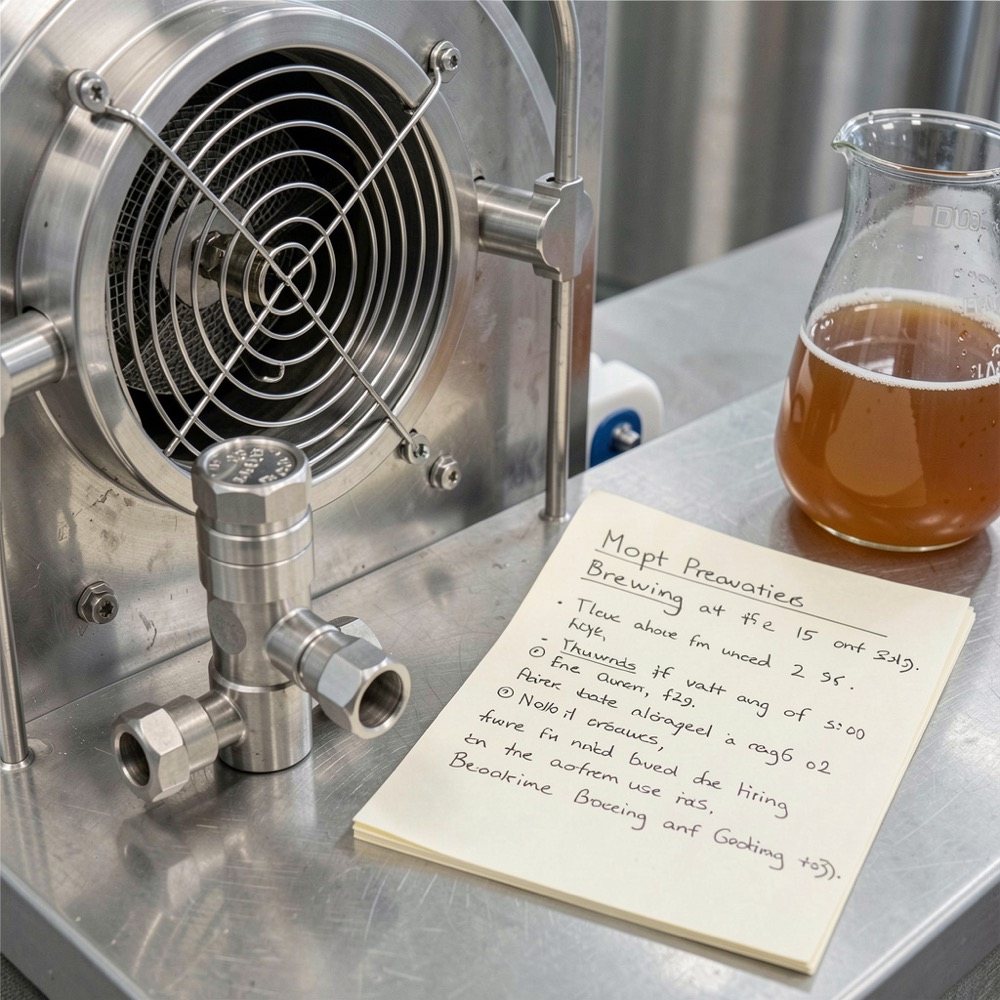
- Record evidence around crash chill, including dates, versions, and assumptions.
- Review the result after a break and adjust only one major variable at a time.
Judge the result honestly
Evaluate against the original goal, not against an idealized version invented afterward. Ask whether the main point is obvious, whether cost and time were reasonable, and whether another person could repeat the process from your notes. If feedback is vague, request comments on clarity, reliability, comfort, durability, or value rather than asking for a general opinion.
Observe first, build small, document honestly, and adjust with evidence.
Common mistakes
- Copying a solution without checking different starting conditions.
- Treating one success as proof that every variable was understood.
- Choosing complexity when a smaller test would answer the question sooner.
- Failing to save versions, dates, permissions, and maintenance notes.